
Let’s Set the Tempo
There’s no shortage of debate in the world of ska—two-tone vs. third wave, checkerboard or no checkerboard. But few questions seem to stir up conversation quite like this one:
Does ska need horns to be ska?
Some will argue that without a brass section, it’s just punk with an upstroke. Others say ska is about rhythm, vibe, and feel—and horns are just one ingredient in a much bigger recipe.
Let’s break it down.
A Brief Ska History
Ska was born in late-’50s Jamaica, fusing Caribbean rhythms with American jazz and R&B. It’s known for its offbeat guitar strokes, walking basslines, and a groove that makes you move. Horns were a huge part of that original sound, but they weren’t the whole story—ska was built on rhythm, attitude, and a cultural melting pot.
Then came the two-tone era in late-’70s England. Bands like The Specials and The Selecter took the Jamaican ska foundation and fused it with elements of punk and new wave, creating a tight, danceable, and socially conscious genre-bending sound that was impossible to ignore. The name “two-tone” came from both the record label and the movement’s message—racial unity, working-class rebellion, and a black-and-white aesthetic that became iconic. The Specials and The Selecter became standouts of that sound: political, raw, and undeniably ska.
By the ’90s, ska had exploded in what’s now called the third wave—particularly in the U.S. This is where ska got wild. It collided with punk, hardcore, alternative rock, and everything in between. You had bands like Less Than Jake, Reel Big Fish, Goldfinger, Operation Ivy, and Against All Authority all throwing their own spin on it. Some leaned heavy on horns, others ditched them entirely, but the heart of ska—its rhythm and energy—was still alive and skanking.
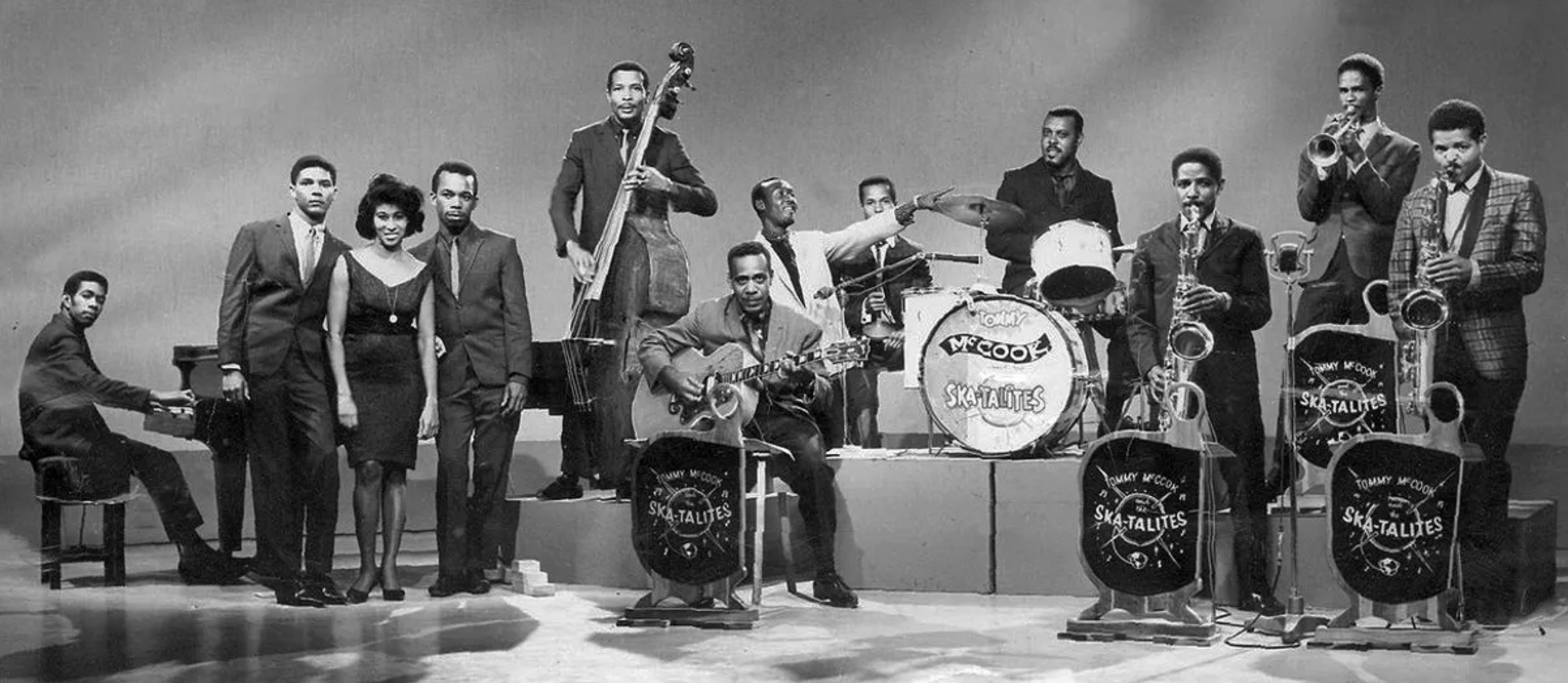


The Skatalites, The Specials, Reel Big Fish
Horns Are Iconic—but Not Essential
Let’s be real—horns sound like ska. They’re energetic, emotional, and catchy as hell when they hit just right. But does a ska band need them? Definitely not.
Take High Anxiety by The Suicide Machines—no horns, just raw energy, upstrokes, and a groove that hits like a ska-punk freight train.
Or Time Bomb by Rancid—a stone-cold ska classic built on a reggae-inspired bassline and choppy guitar, with no brass in sight.
The Interrupters prove that horns aren’t mandatory either. She’s Kerosene is all bounce and rebellion—no trumpet needed.
And let’s not forget some of the hornless pioneers—Operation Ivy and Against All Authority—who proved ska-punk didn’t need brass to punch you in the chest. It just needed rhythm, message, and that unmistakable offbeat drive.
Even bands known for bold horn sections—like The Mad Caddies, Fishbone, Faintest Idea, and Random Hand—have tracks where the brass steps back, letting rhythm and songwriting take the lead. That kind of flexibility is part of what makes ska so interesting. Horns can be front and center, or they can hang back—but it’s the groove, the energy, and the way it all comes together that really defines the sound.

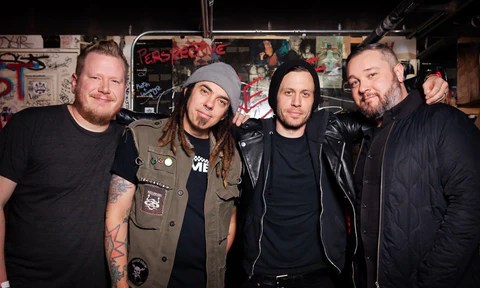
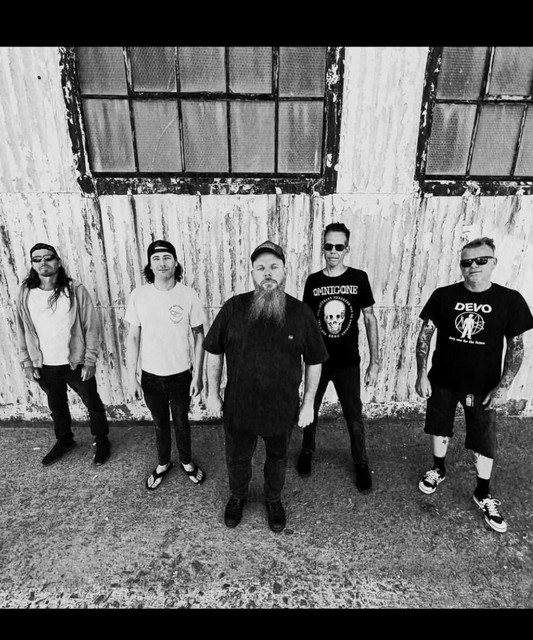
Rancid, Suicide Machines, Against All Authority
Bands That Bend the Rules: Horns as Texture, Not Definition
Call Me Malcolm often walks the line between alt-rock and ska. Their horns are used sparingly but smartly—never a crutch, always a choice. Their sound proves that ska can be more about arrangement, rhythm, and energy than any one instrument.
Suburban Legends mixed ska, funk, disco, and dance rock with flashy energy. Their music shows how diverse ska can be—shifting from upbeat anthems to funky grooves without losing the offbeat pulse.
Flying Raccoon Suit pushes boundaries even further—blending ska with metalcore, swing, jazz, punk, and alt-rock. Their horn section is explosive, but it’s just one part of a larger sonic weapon. Every track feels like a curveball, yet the ska spirit never gets lost.
We Are The Union blend honest lyrics, punk energy, and ska bounce in a way that just clicks. The horns hit when they need to—never overdone, always solid. It’s catchy, tight, and hits with real feeling.
These bands are undeniably part of the ska scene—but the genre isn’t always the same from song to song. And that’s the point. The horns are just one tool in their kit. For these artists, ska is a launchpad—not a box—and horns are an accent, not the whole identity.
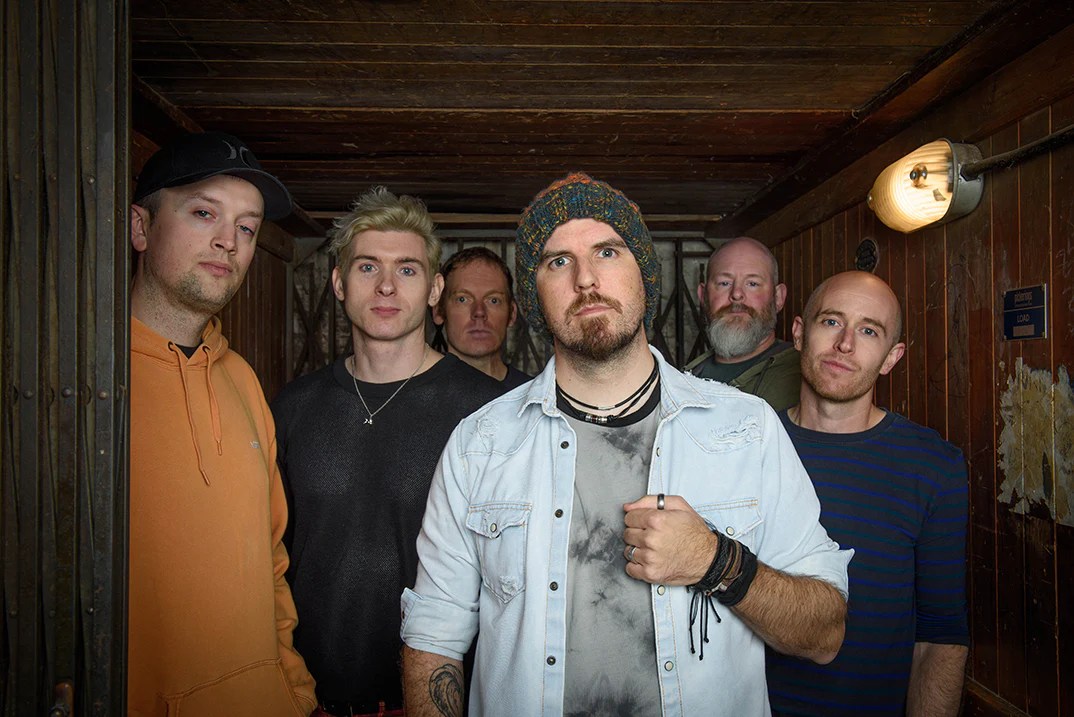


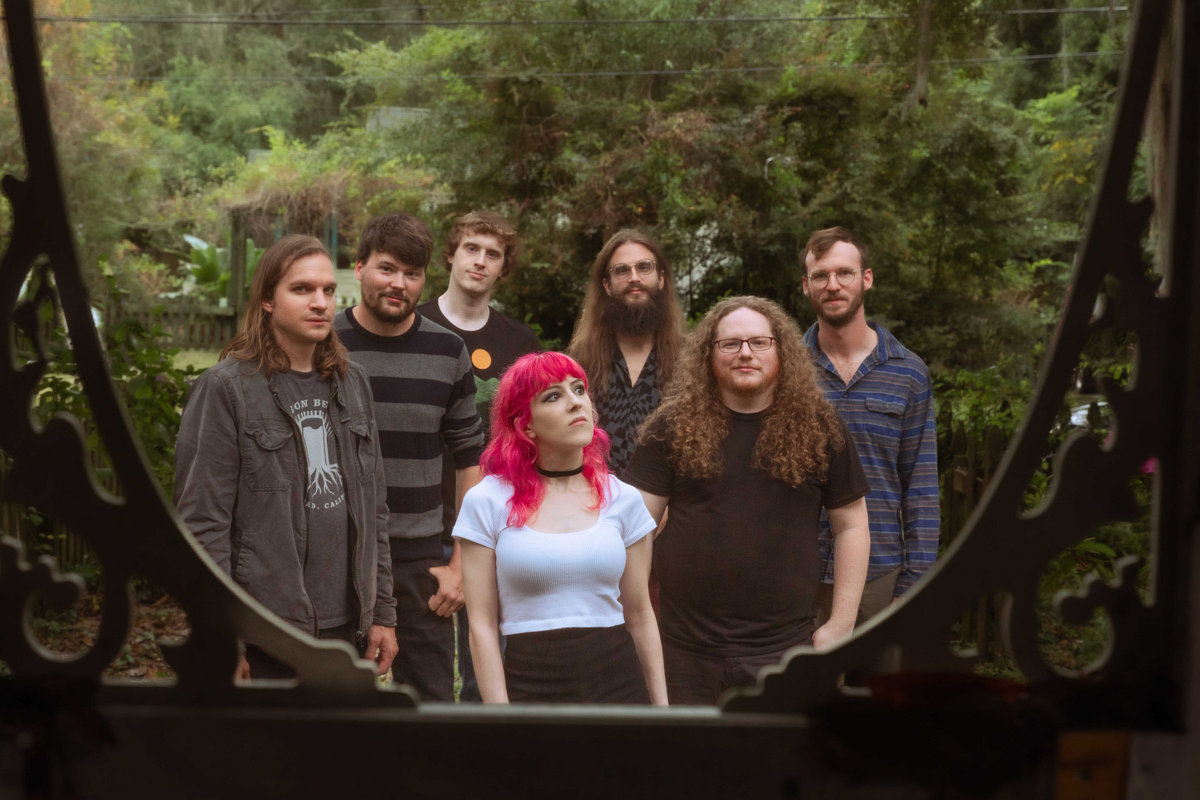
Call Me Malcolm, Suburban Legends, We Are the Union, Flying Raccoon Suit
Horns ≠ Ska
Just because a band uses horns doesn’t make them ska.
Cake features trumpet prominently but has almost no ska feel—they’re more alternative rock with jazzy and lounge elements.
Huey Lewis and the News had horns all over their catchy pop-rock hits, but ska wasn’t on the radar. It’s hip to be square, but it ain’t ska.
Earth, Wind & Fire took horn sections to iconic heights in funk and soul. Their energy is undeniable, but their groove lives in a whole different universe from ska.
No Doubt, specifically in their later albums, used horns more like pop production tools. By the time Rock Steady came out, the ska was long gone—even if some brass stuck around.
Early Maroon 5 also dabbled in horns—but no one’s starting a circle pit to This Love.
Horns can bring energy, texture, and soul—but ska is more than just a horn section.

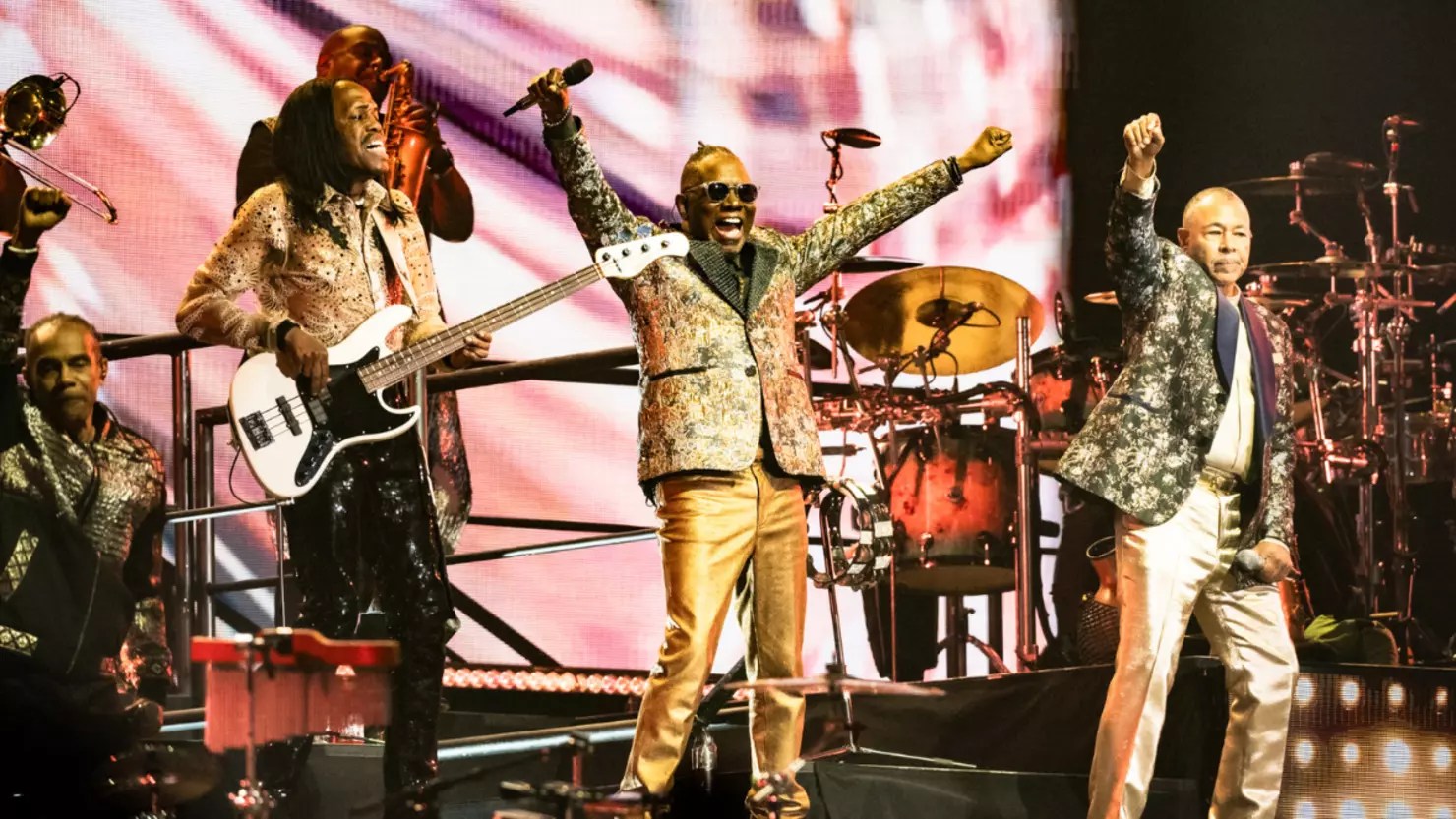
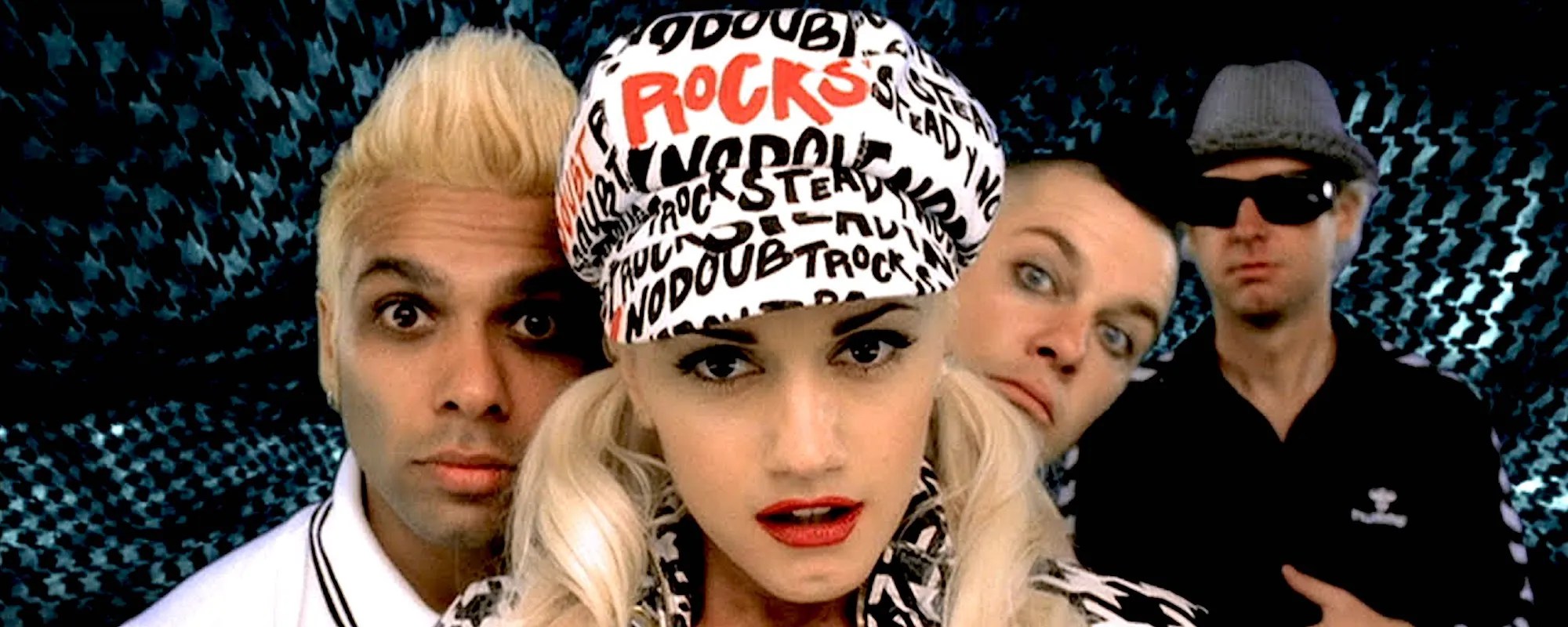
Cake, Huey Lewis and the News, Earth, Wind & Fire, No Doubt
Offbeat Neighbors
Some bands ride the ska line without fully planting their flag in the genre. Sublime made a career blending ska with punk, reggae, and hip-hop—with or without horns.
311 blended rock, reggae, and rap with flashes of ska—like in All Mixed Up—but they’ve always been more alt-rock than ska.
Rancid and NOFX regularly dip into ska rhythms, even though they’re rooted in punk. Tracks like Roots Radical and All Outta Angst show how easily ska grooves can slide into the punk world.
They’re not ska front to back, but the influence is undeniable.
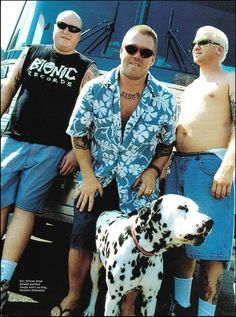
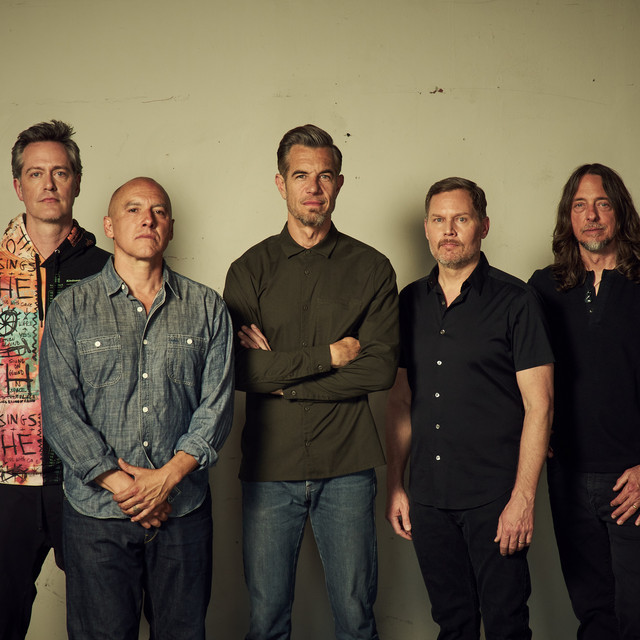
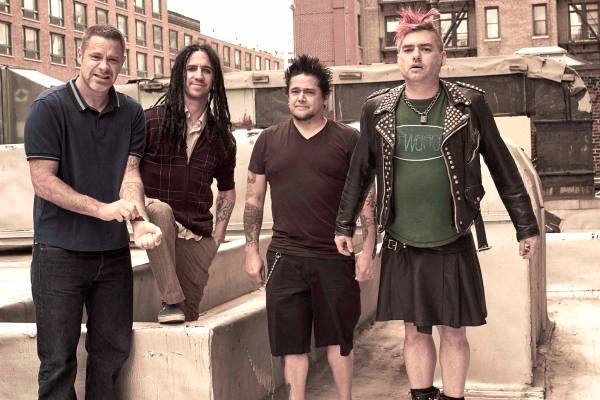
Sublime, 311, NOFX
Ska Is a Feeling, Not a Formula
At its core, ska is:
- The offbeat rhythm and upstrums
- The walking bass lines
- The danceable groove
- Genre fusion
Horns can elevate it—but they aren’t required to validate it.
Whether a track is dripping with brass or completely barebones, if it’s got that bounce and energy, it belongs in the conversation.
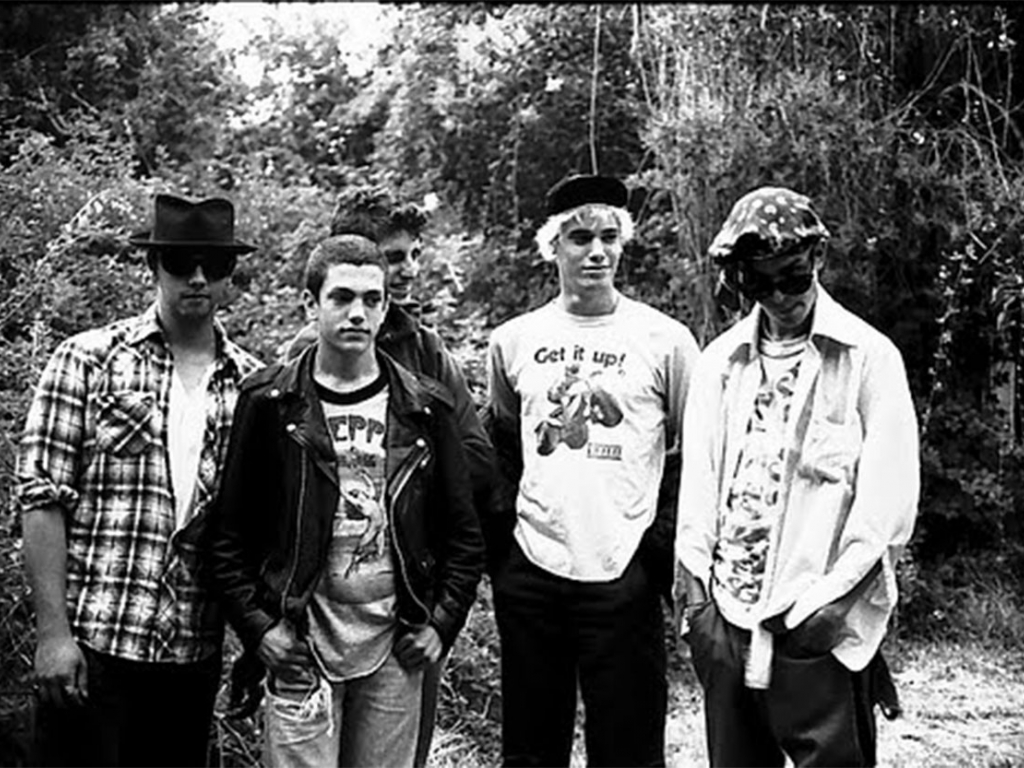
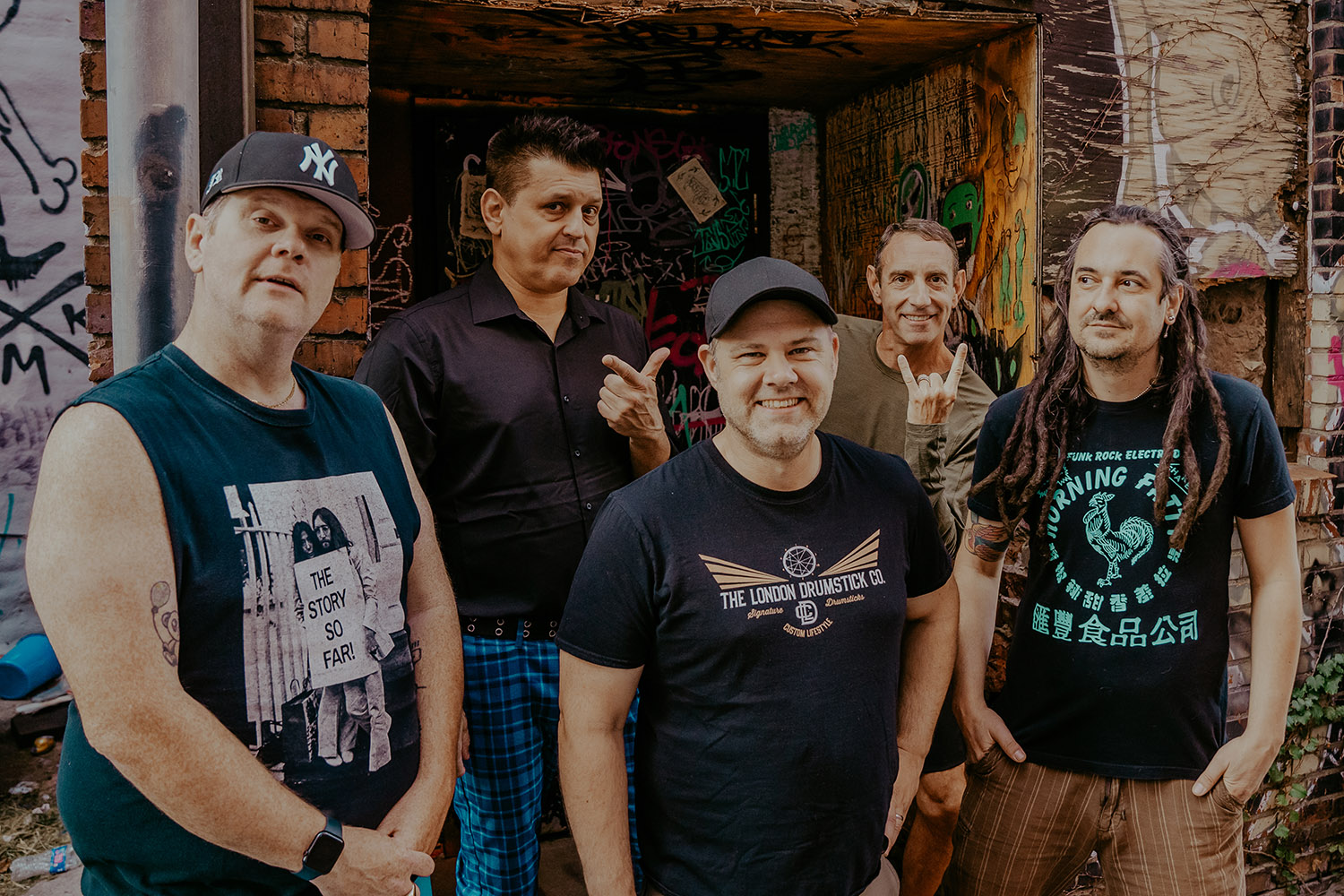
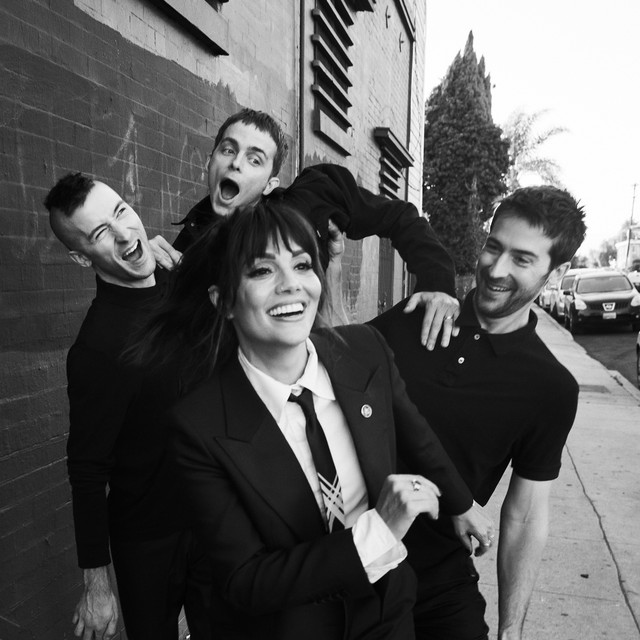
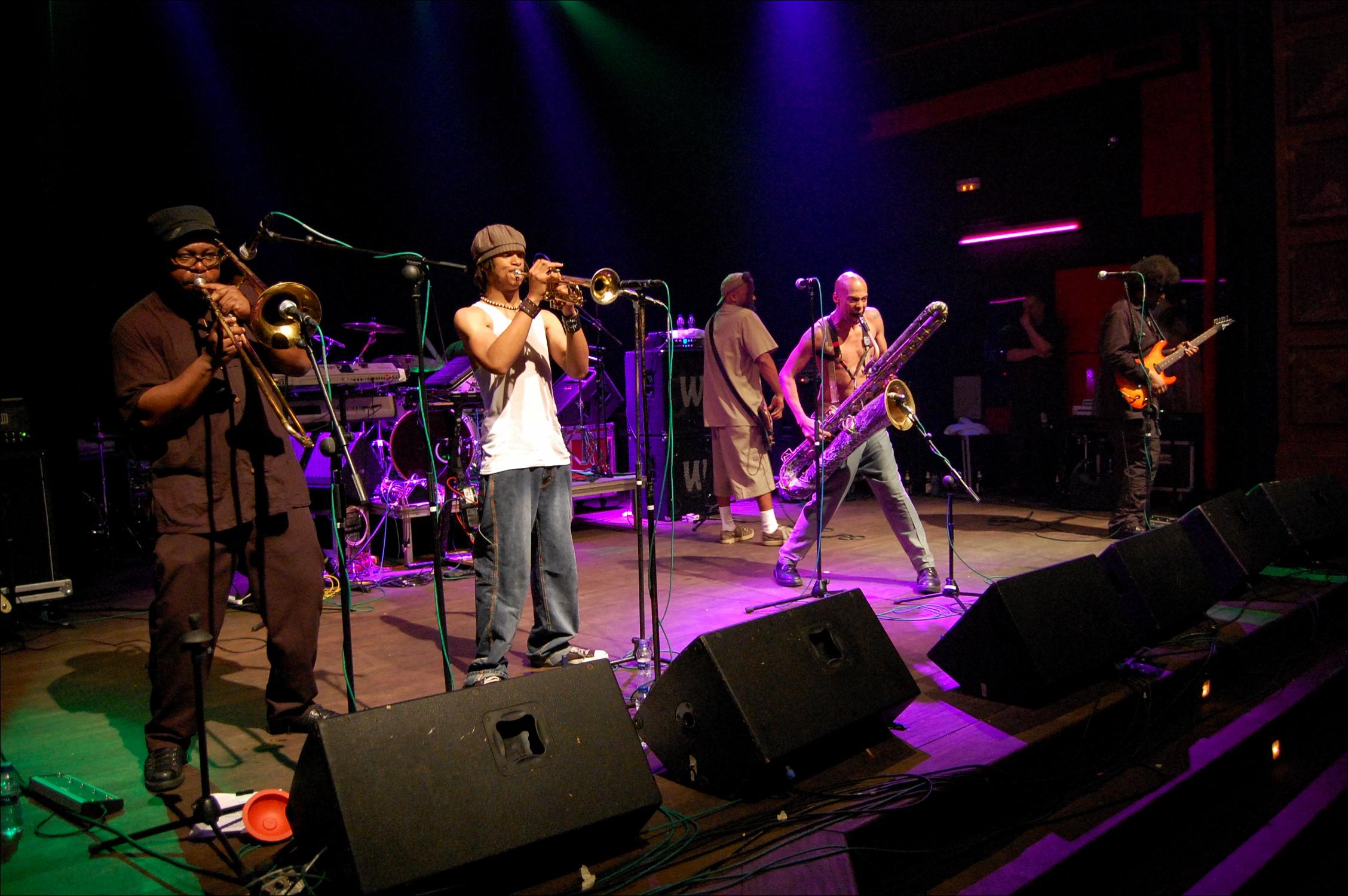
Operation Ivy, Less Than Jake, The Interrupters, Fishbone
Final Thoughts
So… does it need horns? Nope. But when they’re done right, they take things to the next level.
From hornless bangers like High Anxiety, Time Bomb, or She’s Kerosene, to bands like Suburban Legends, Call Me Malcolm, and Flying Raccoon Suit that use horns in genre-blending ways, ska shows up in all kinds of forms.
And ska’s reach doesn’t stop at the edge of the scene. You’ll find its fingerprints in the offbeat flair of early Police, the twitchy, genre-bending weirdness of Devo, and the experimentation of The Clash, with ska-leaning tracks like Rudie Can’t Fail and Police & Thieves. Ska influences crop up in unexpected places—it’s a sound, a spirit, and a way of rearranging the rules.
Ska is a vibe, not a checklist.
It’s not about ticking off instruments—it’s about feeling that rhythm in your bones.
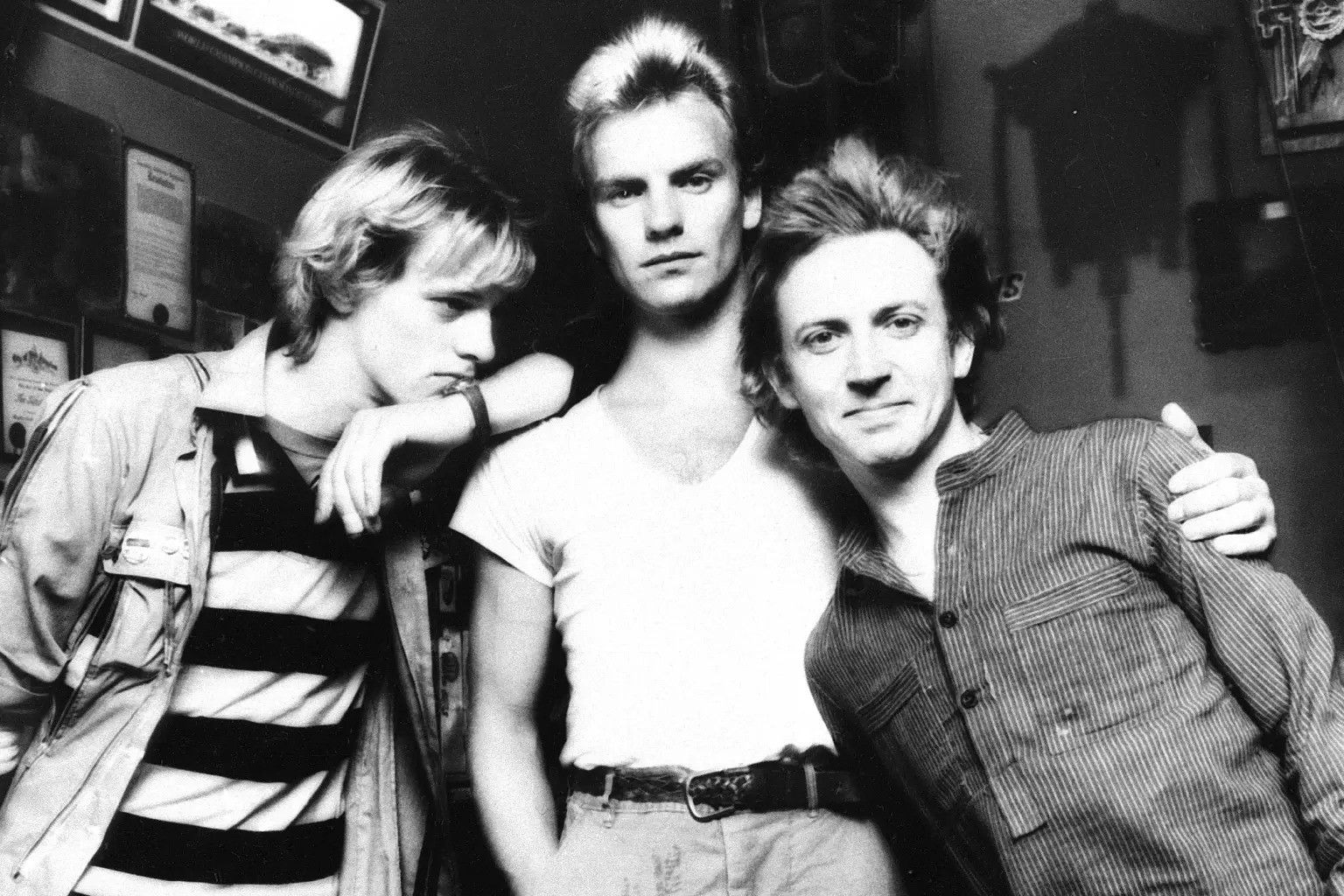

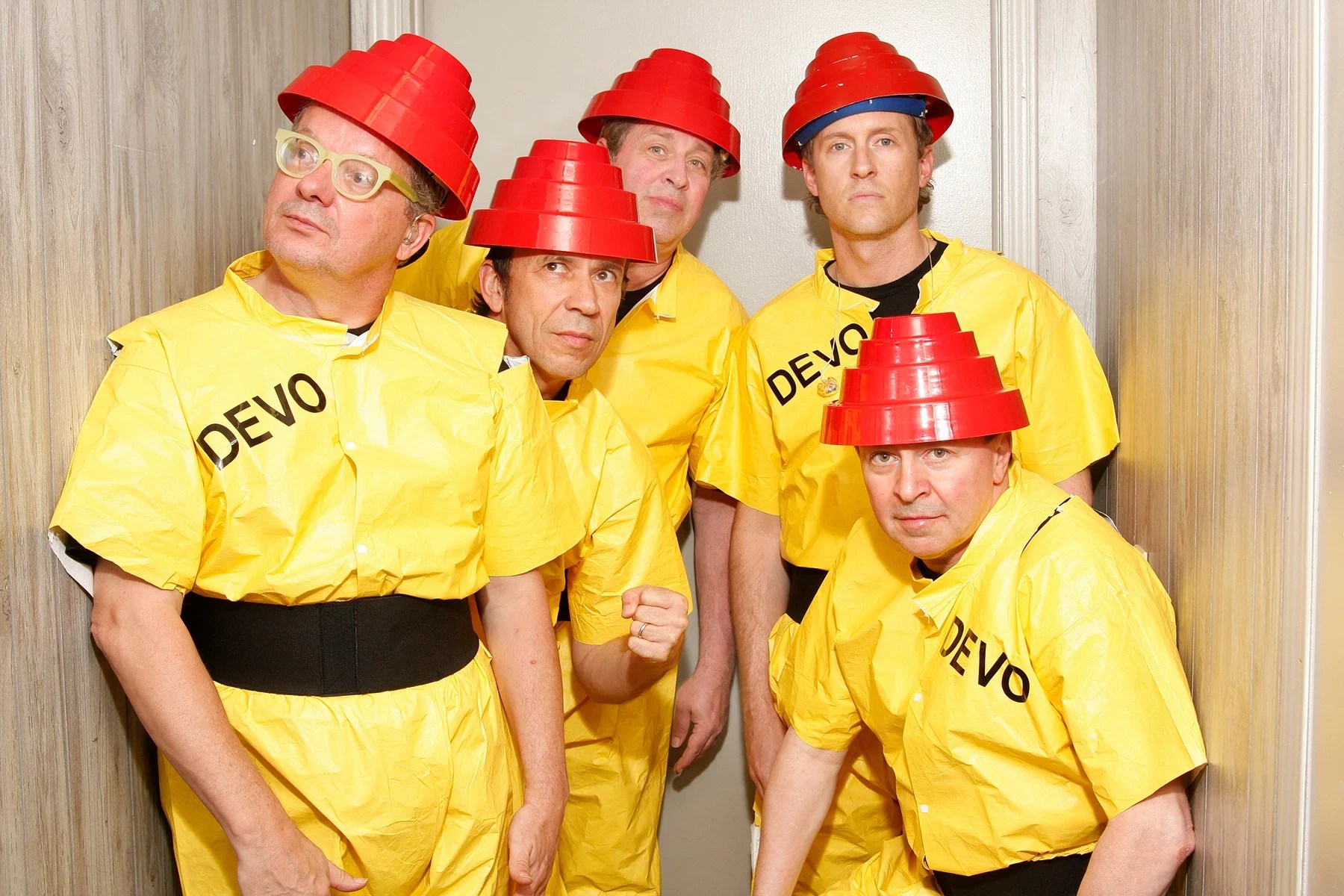
The Police, The Clash, Devo
Let’s Talk
So where do you land on this?
Do horns make it ska for you—or are they just one piece of the puzzle?
Drop a comment and let me know your favorite hornless ska track, or the band you think bends the rules best. I’m always down to hear what you’re listening to.
 Ska Basically.
Leave a comment